Several states and prominent cities have formally apologized for their historical role in
slavery in the United States, included are:
-
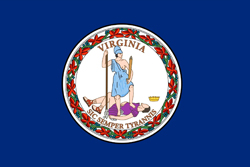 Virginia (February 2007): The Virginia General Assembly passed House Joint Resolution 728, becoming the first state to issue a formal apology for its role in slavery and the exploitation of Native Americans.
 -
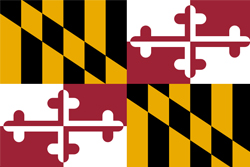 Maryland (March 2007): The Maryland General Assembly followed suit, issuing a legislative resolution expressing "profound regret" for the state's involvement in the institution of slavery.
 -
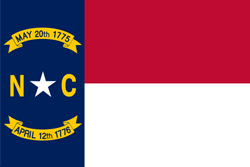 North Carolina (April 2007): The state legislature officially apologized for its history of slavery and the subsequent implementation of Jim Crow laws.
 -
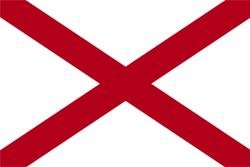 Alabama (June 2007): The Alabama legislature unanimously passed a joint resolution formally expressing regret for the state’s role in slavery.
 -
-
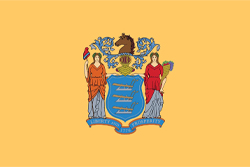
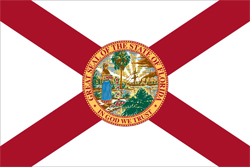
New Jersey & Florida (2008): Both state legislatures passed joint resolutions officially apologizing for their historical involvement in and enforcement of slavery.
-
-
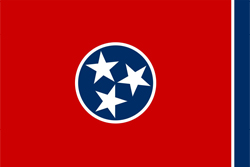
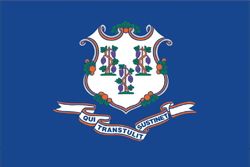
Tennessee & Connecticut (2009): Both states officially passed resolutions apologizing for their legislative histories with the slave trade and systemic discrimination.
-
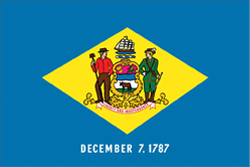 Delaware (2016): The Delaware General Assembly officially passed a resolution apologizing for its deep historical ties to slavery and the slave trade.
 -
 Charleston, South Carolina (2018): Formally apologized for its heavy participation in the slave trade, acknowledging that nearly 40% of all enslaved Africans entered the U.S. through its port.
 -
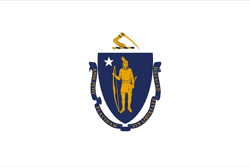 Boston, Massachusetts (2022): The Boston City Council issued a formal resolution apologizing for the city's role in the trans-Atlantic slave trade and systemic racism.
 -
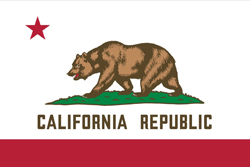 San Francisco, California (2024): The San Francisco Board of Supervisors issued a formal apology to the African American community and their descendants for structural discrimination and the city's historical involvement in past atrocities.
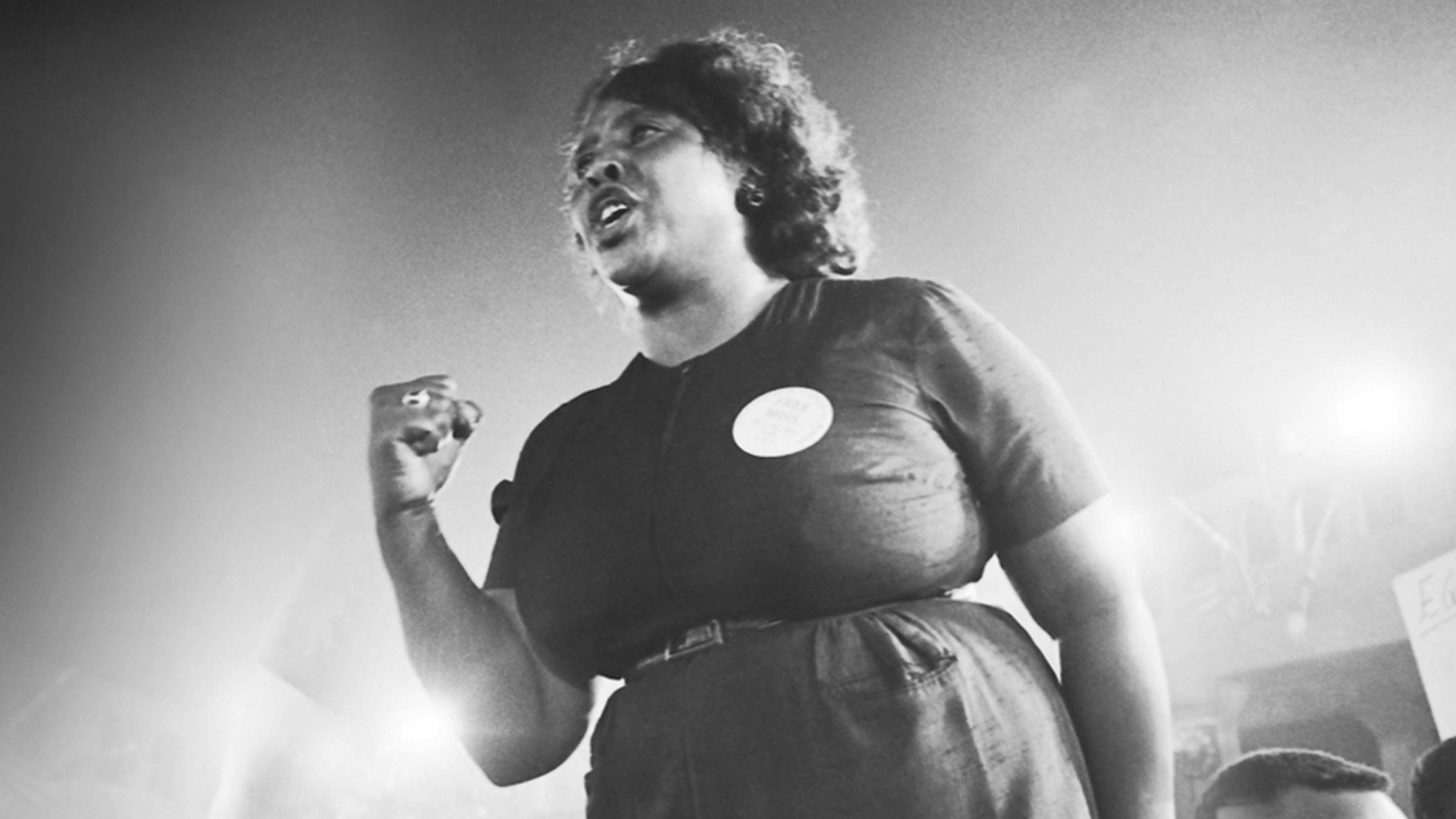
Fannie Lou Hamer,
legendary civil rights activist
On June 19, 1865, two and a half years after President Abraham Lincoln’s historic
Emancipation Proclamation, U.S. Maj. Gen. Gordon Granger, with a band of union soldiers, rode into Galveston, Texas and announced:
General Order No. 3
which informed the people of Texas that all enslaved people
were now free.
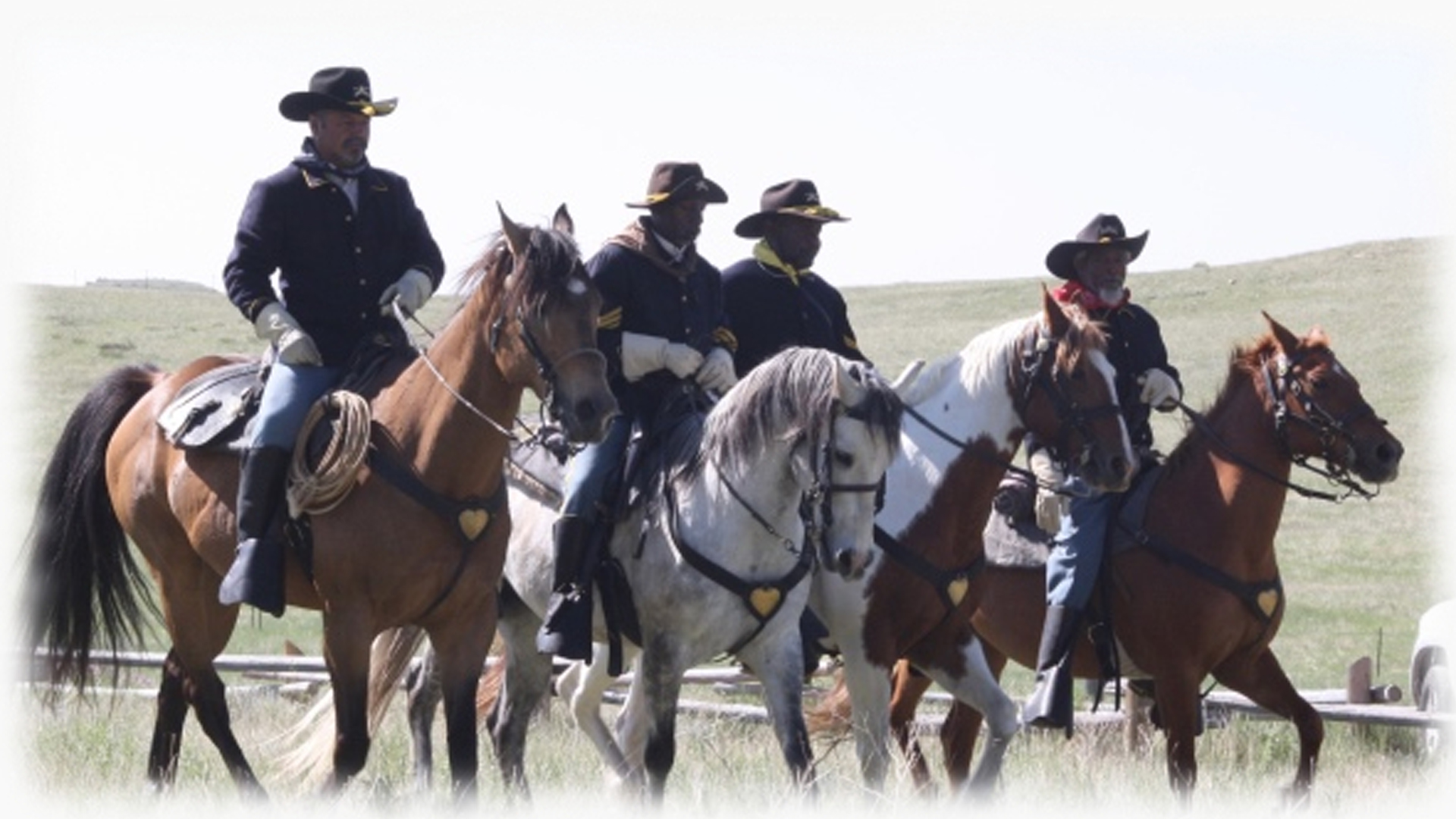
This day has come to be known as Juneteenth, a combination of June and 19th. It is also called Freedom Day or Emancipation Day, and it is the oldest known celebration commemorating the end of slavery in the United States.
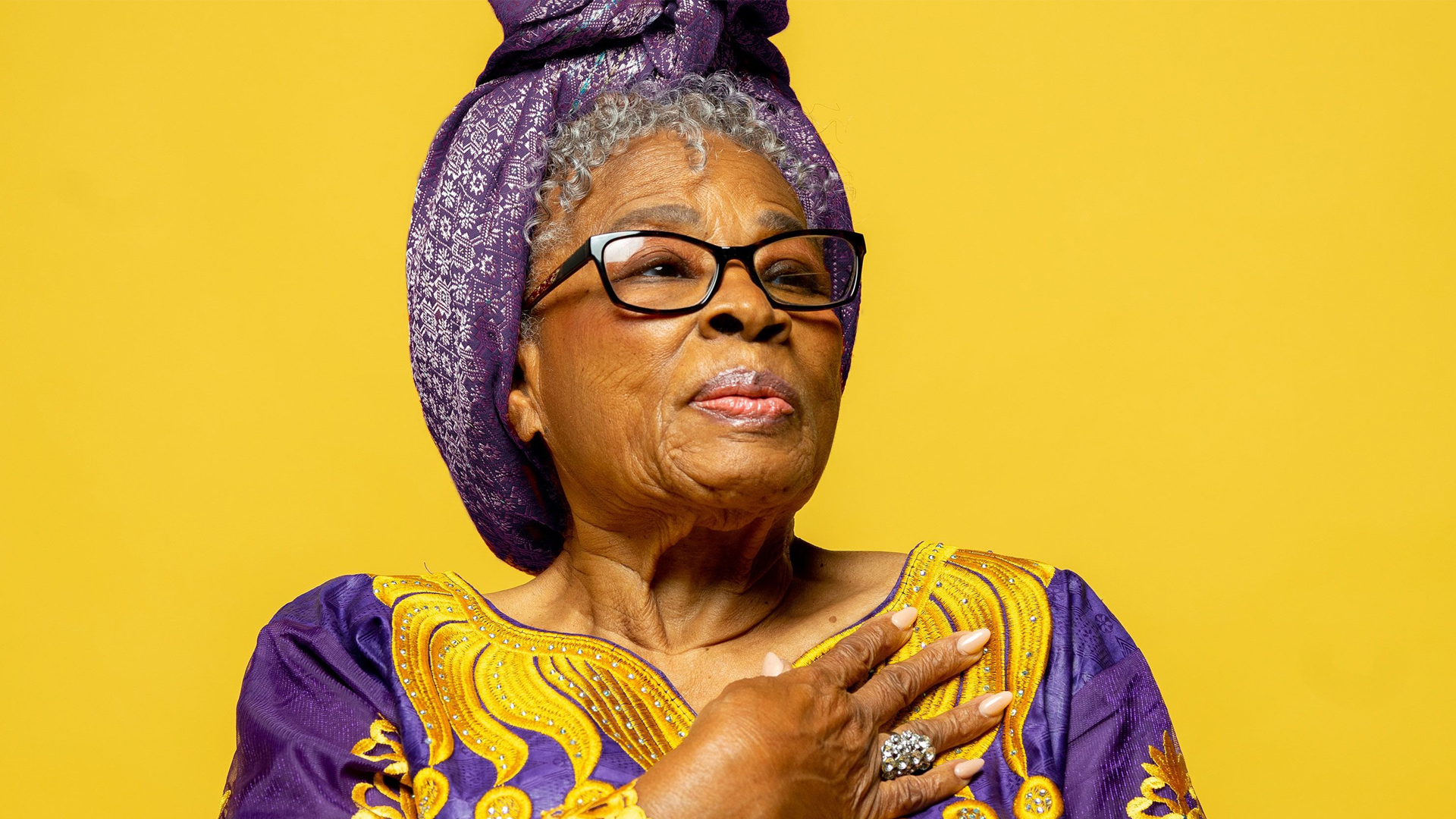
For decades the push to get this historic day recognized at the federal level was championed by retired teacher, counselor and activist, Opal Lee, known as the “Grandmother of Juneteenth,” She was 94 years old when she stood beside President Joe Biden on June 17, 2021, as he signed the bill officially making Juneteenth a federal holiday.
In observance of this day,
Americans are encouraged to:
- ● Acknowledge the history of slavery.
- ● Address systemic racism.
- ● Celebrate freedom!
Historic Black Towns and Settlements Alliance
Between 1865 and 1930, over 1,200 independent communities were established by Black Americans seeking economic independence, self-governance, and safe havens from racial violence. These pioneering communities became symbols of resilience, though many eventually faced decline due to systemic disenfranchisement and economic shifts.
The Historic Black Towns and Settlements Alliance (HBTSA) includes representatives from many of these remaining towns across multiple states such as Alabama, Mississippi, Texas, Louisiana, Florida, and Georgia.
Notably among alliance members and associated historic towns is Greenwood, Tulsa, Oklahoma: founded in 1906, it famously grew into an incredibly wealthy commercial district known as "Black Wall Street" before it was tragically destroyed during the Tulsa Race Massacre of 1921.
You can stay up-to-date on ongoing preservation campaigns and regional markers by following the Historic Black Towns and Settlements Alliance Facebook page.